
pegasus bay sustainable town

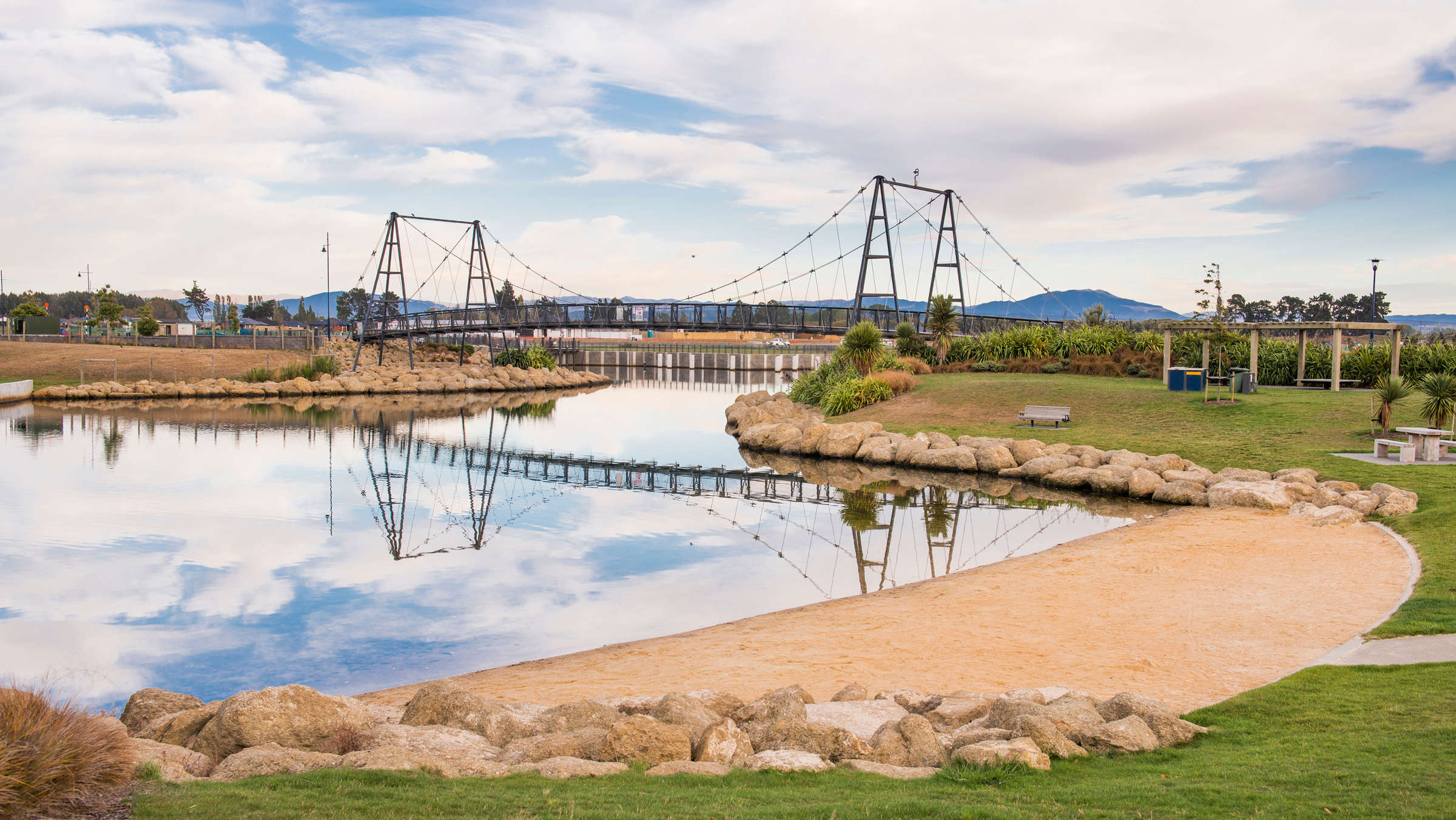
Pegasus Bay Sustainable Town was the founding project of Common Ground and remains one of the most significant and visionary urban design undertakings in New Zealand’s contemporary planning history. Initiated shortly after the introduction of the Resource Management Act 1991, it represented one of the first privately led plan changes in the country, and fundamentally challenged conventional approaches to subdivision and town-making.
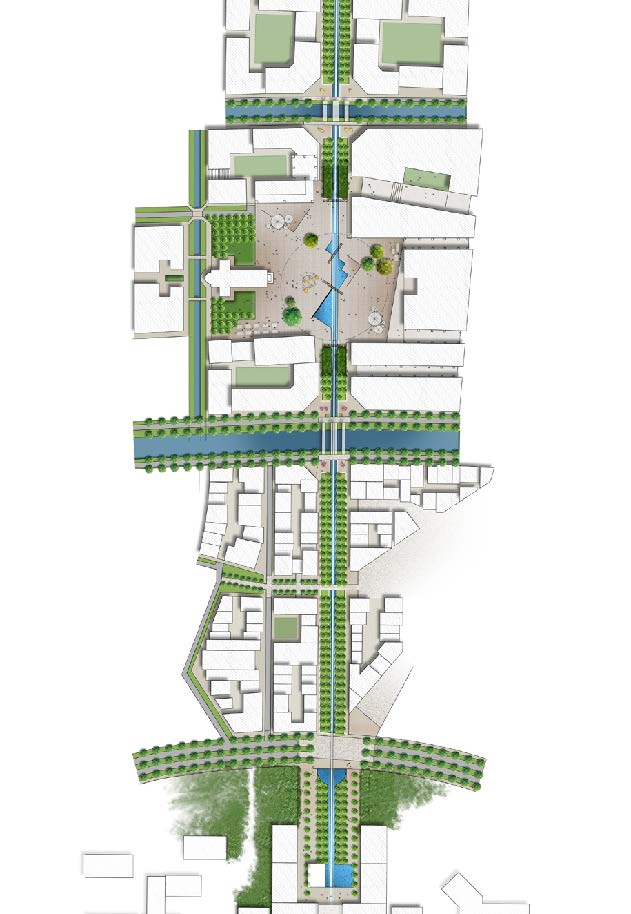
Commissioned by Pegasus Bay Coastal Estates Ltd, Common Ground was tasked not simply with designing a subdivision, but with defining the protocols, principles, and urban framework required to create an entirely new town. This included preparing a comprehensive Sustainable Development Manual, masterplan framework, and planning rationale to support a new model of settlement aligned with the emerging sustainability ethos of the late twentieth century. At its core, Pegasus Bay was conceived as a complete and self-sufficient town — not an extension of suburban sprawl, but a holistic community with its own centre, services, civic life, and identity. The project responded directly to the challenges of post-war suburbanisation, recognising the environmental, social, and economic consequences of fragmented growth and automobile dependency. Instead, it proposed a compact, mixed-use settlement structured around walkable neighbourhoods, community infrastructure, and integrated ecological systems.
Common Ground’s work positioned Pegasus Bay as a prototype for sustainable urban development in New Zealand. The plan sought to integrate urban form with environmental restoration, proposing regenerative landscape strategies, self-sufficient infrastructure, and a strong civic framework. The intention was not simply to minimise environmental impact, but to actively improve ecological systems and create a more resilient and culturally grounded community. The project recognised that development could restore degraded environments, foster social cohesion, and establish enduring urban identity. The Pegasus Bay framework drew on international best practice and historical precedents, including the Garden City movement, European urban villages, and emerging sustainable urbanism. It translated these ideas into a New Zealand context — reflecting local landscape, climate, and cultural traditions — while proposing an alternative model for private sector town development. The project demonstrated how a single coordinated urban design vision could integrate housing, employment, ecology, infrastructure, and community life into a coherent and sustainable settlement.
Critically, Pegasus Bay was undertaken at a moment of profound transition in New Zealand’s planning system. The Resource Management Act had introduced a new effects-based framework, but practical examples of holistic, integrated urban design were rare. Pegasus Bay became a test case — demonstrating how urban design, planning, environmental stewardship, and development economics could be aligned within the new legislative environment. Common Ground’s role extended beyond masterplanning. The practice developed the sustainable design principles, planning justification, infrastructure frameworks, and development protocols that underpinned the private plan change. This work established the conceptual, technical, and philosophical foundations for the project and demonstrated the central role of urban design in shaping long-term environmental and community outcomes.
It established Common Ground’s ethos — integrating people, place, and environment through design — and set the trajectory for the practice’s work over the following decades.
Today, Pegasus Bay stands as the foundational project of Common Ground — a bold and pioneering vision that positioned sustainable urban design at the centre of town-making in New Zealand.


Related Projects


Common
Ground

